
Understanding the Problem
Before you authorize any auto repairs, it’s essential to understand the nature of the problem. Ask the mechanic to explain how they diagnosed the issue. This can give you insights into whether the repair is genuinely needed or if it’s merely an assumption. Mechanics should be able to provide a detailed explanation, pointing out the specific issues and how they affect your vehicle’s performance. Additionally, request to see the problem firsthand, if possible, to ensure transparency.
Having a detailed understanding of the issue allows you to gauge the urgency of the repair. Some problems, like a failing brake system, require immediate attention, while others might not impact your vehicle’s performance immediately. This knowledge helps you prioritize and plan your finances accordingly. An informed discussion can prevent unnecessary services that some less scrupulous auto repair shops might suggest. Lastly, being informed enables you to ask more pertinent follow-up questions, ensuring a thorough understanding of your vehicle’s condition.
Communication with your mechanic plays a vital role in high-quality auto repairs. Building a relationship based on trust can enhance the quality of service you receive. By showing that you are informed and engaged, you encourage your mechanic to treat you with respect and offer honest, straightforward advice. Always feel empowered to ask for a second opinion if anything seems unclear or seems like unauthorised repair work. Remember, a credible mechanic will appreciate your due diligence and will gladly accommodate your requests for more information.
Assessing the Costs
Another vital aspect of auto repairs is assessing the total costs involved. Ask your mechanic for a detailed estimate before any work begins. This should include parts, labor, taxes, and any potential additional charges. A good repair shop will be transparent with their pricing, allowing you to understand exactly where your money is going. This financial clarity is crucial in avoiding unexpected expenses and ensuring that you are getting fair pricing for services rendered.
Furthermore, understanding the costs involved can also help in budgeting for future repairs. Having an idea of what typical auto repairs cost can help you determine if you are being over-charged. Do not hesitate to request a breakdown of costs or even compare estimates from different shops. Price should not be the sole factor in deciding on a repair, but it certainly plays an important role. It’s crucial to balance quality with affordability to ensure long-term value for your automobile investment.
Consider asking about payment options and warranties when discussing costs. Some auto repair shops offer payment plans or financing options for larger repair bills. Inquiring about warranties on parts and labor will give you peace of mind, knowing that if something goes wrong post-repair, you have recourse. Understanding all financial aspects of the transaction ensures that there’s no room for miscommunication or surprises. Ultimately, this information equips you with a holistic view of what the repair entails financially.
Evaluating the Repair Timeline
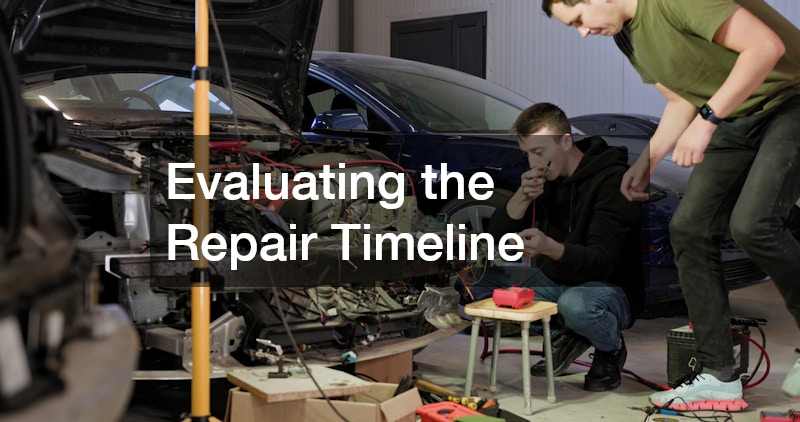
The timeline for auto repairs is another crucial question you must address. Ask your mechanic for an estimated completion time, along with potential delays that could arise. A realistic understanding of the repair duration helps you plan your transportation needs accordingly. Unexpected delays can be inconvenient, but anticipating them allows you to make necessary arrangements. A professional repair shop will provide a timeline and keep you updated on progress.
Timelines in auto repairs can vary depending on factors such as part availability, the complexity of the repair, and the workload of the shop. Therefore, it’s wise to confirm whether parts need to be ordered and how this might affect the schedule. Additionally, seek clarification on how unexpected complications might alter the timeline. This proactive approach reduces stress and ensures transparency throughout the repair process. Knowing the timeline also helps you in deciding whether to pursue alternative transportation temporarily.
It’s important to discuss any flexibility you might have concerning the timeline, especially if you need the vehicle back by a certain date. Clear communication on this front allows the repair shop to organize their worklog efficiently, accommodating your needs where possible. Establishing a timeline fosters accountability and helps mitigate dissatisfaction caused by unforeseen delays. Regular updates from the mechanic will keep you informed, allowing you to manage your expectations effectively. With a well-structured timeline, any surprises should be manageable rather than disastrous.
About the Author