
The journey of vehicle maintenance begins with recognizing that your car’s exterior is an active system, not a static feature. Ultraviolet radiation, for instance, acts as a silent catalyst for degradation, breaking down the chemical bonds in clear coats, which eventually leads to chalky, cloudy paint. Simultaneously, road salt—especially in colder climates—penetrates microscopic pores in the finish, accelerating hidden corrosion that can compromise steel panels from the inside out. When you delay maintenance, you are essentially allowing these environmental forces to bypass your vehicle’s defenses, turning minor surface contaminants into expensive, structural headaches that eventually require professional attention.
Transitioning to proactive preservation means adopting a layered defense strategy that treats every surface with specialized attention. It is not enough to simply rinse away surface dust; you must actively manage the integrity of the paint. Establishing a relationship with a reliable automotive repair service can provide you with the professional-grade inspections needed to identify clear-coat failure before it reaches the primer. When you catch oxidation or shallow etching early, you avoid the need for more invasive treatments, keeping your vehicle’s factory-applied coatings as intact as possible for as long as possible.
Beyond simple washing, you should evaluate the physical state of your car’s exterior panels. Even minor imperfections, if ignored, become breeding grounds for rust. If you find yourself needing to visit a local auto body collision shop for more significant panel repairs, it is important that technicians also evaluate the underlying protective barriers of the vehicle. Addressing small problems early helps prevent them from spreading into larger structural issues that affect the overall durability of the vehicle.
Surface restoration is equally vital when maintaining long-term aesthetic and structural value. Minor dings and scratches are inevitable in a daily driver, but using modern auto dent removal techniques allows technicians to fix these issues without compromising the original paint, thereby maintaining the vehicle’s value. If scratches have deepened, professional restoration can restore the smoothness of your finish, preventing moisture from entering the metal and starting the corrosion process.
Finally, the ultimate goal of any exterior maintenance plan is to lock in your car’s condition using the best available technology. Applying professional-grade products to high-impact zones, such as the hood and bumper, provides an invisible, sacrificial layer against road debris. Many drivers now rely on advanced paint protections to defend their vehicles from environmental wear while keeping the finish glossy and easier to maintain over time.
Establishing a Routine Cleaning Schedule
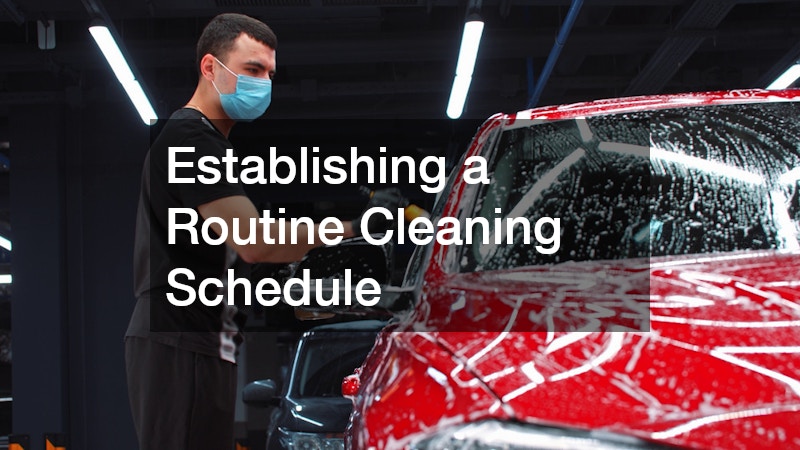
The damage caused by improper washing is cumulative. Every time you wipe a dry or dirty surface with a low-quality cloth, you are essentially grinding abrasive particles into the paint, creating the dreaded “spider-web” effect that becomes painfully visible under direct sunlight. Over time, these micro-scratches dull the finish and reduce the reflective depth that makes a vehicle look well-maintained.
Many vehicle owners rely on professional auto body repair providers to correct the swirl marks and scratches caused by years of improper washing techniques. While polishing can restore clarity, preventing these defects in the first place is far easier than correcting them later.
To avoid this problem, professional detailers emphasize safe washing techniques. One widely recommended method is the two-bucket wash system, which separates clean soapy water from the rinse bucket used to remove dirt from the wash mitt. This process prevents contaminants from being repeatedly rubbed into the paint.
Beyond the two-bucket method, professionals recommend:
- Using high-pile microfiber wash mitts to lift debris away from the paint
- Washing vehicles in shaded areas to prevent soap from drying too quickly
- Using grit guards inside buckets to trap dirt particles
- Drying surfaces with microfiber drying towels rather than household cloths
- Avoiding automated car washes that use abrasive brushes
Additionally, swapping harsh household dish soaps for pH-neutral automotive shampoos helps preserve protective coatings. Household detergents are powerful degreasers that strip away waxes and protective treatments, leaving paint vulnerable to oxidation and UV exposure.
While you are maintaining the exterior, remember that your vehicle’s condition is a holistic system. A clean car that is mechanically compromised is not truly protected. During routine washing sessions, take a few moments to perform basic safety checks.
You might:
- Verify tire pressure
- Look for fluid leaks beneath the vehicle
- Inspect wiper blades for wear
- Check headlights and taillights for clarity
- Scan the engine bay for loose components
Often, your trusted mechanic can identify early warning signs of component fatigue that you might overlook while focusing on cosmetic shine. Building relationships with professionals who understand both mechanical health and surface care helps keep your vehicle functioning safely while looking its best.
Protecting Your Vehicle from Environmental Hazards
Environmental exposure is one of the greatest threats to automotive finishes. While most drivers recognize the effects of sunlight, fewer understand how daily contaminants slowly degrade paint.
Airborne pollutants, acidic rain, bird droppings, and tree sap contain chemicals that react with clear coats. When these substances sit on the paint for extended periods, they begin to etch into the surface. If not addressed promptly, these blemishes may require professional polishing to remove.
Many drivers also invest in auto ceramic coating applications to add a durable chemical barrier between contaminants and the paint surface. These coatings create hydrophobic properties that cause water, dirt, and pollutants to slide off more easily, reducing the chance of long-term damage.
Drivers should take steps to reduce environmental damage whenever possible. Preventative habits can make a significant difference in preserving your vehicle’s exterior over time.
Helpful strategies include:
- Parking in garages or covered areas when available
- Using breathable car covers for extended outdoor storage
- Washing bird droppings or tree sap off the paint quickly
- Avoiding long-term parking under trees that release sticky residue
- Rinsing road salt off vehicles during winter months
Seasonal changes also affect how contaminants interact with paint. Winter road salt accelerates corrosion by penetrating small scratches in the clear coat, while summer heat intensifies UV damage and increases the risk of fading.
By remaining aware of environmental threats and responding quickly to contamination, drivers can dramatically slow the natural aging process of their vehicle’s finish.
Inspecting Paint and Clear Coat Health Regularly
Even when a vehicle looks clean on the surface, the underlying paint system may already be showing early signs of wear. Automotive paint is made up of several layers—including primer, base coat, and clear coat—each working together to protect the metal beneath.
The clear coat is particularly important because it acts as the first barrier against environmental contaminants, UV radiation, and moisture. Over time, this protective layer begins to degrade.
In some cases, drivers choose to add auto window tinting as an additional way to reduce UV exposure entering the vehicle. While primarily known for interior protection and privacy, tinted windows can also help limit the sun’s impact on interior surfaces and dashboard materials.
When inspecting your vehicle’s finish, look for indicators such as:
- Fading or dull areas that lack the original gloss
- Small white or cloudy patches indicating clear-coat oxidation
- Rough or gritty paint texture caused by embedded contaminants
- Fine swirl marks visible in direct sunlight
- Small chips along the hood or front bumper
Regular inspections under bright sunlight or detailing lights help identify issues early so they can be corrected before more serious damage develops.
Advanced Surface Protection Technologies
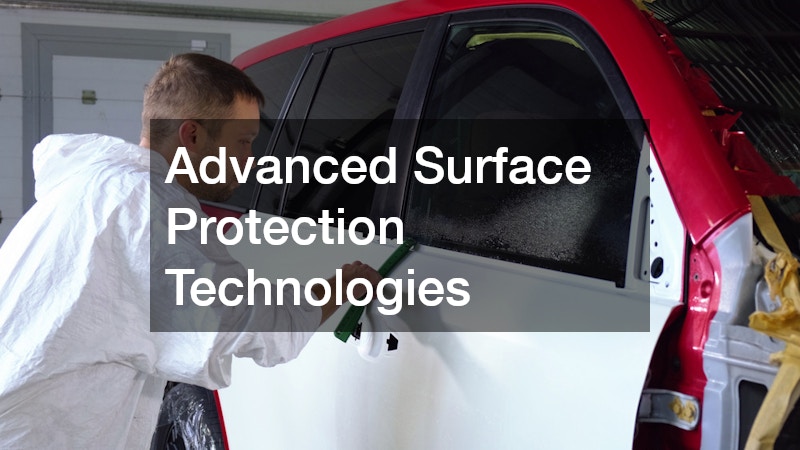
Once your vehicle is clean, the goal shifts to defense. Modern chemistry has provided remarkable ways to safeguard automotive paint from the rigors of the road.
Professional technicians often apply specialized coatings and sealants designed to reinforce the durability of the vehicle’s finish. These treatments form an invisible barrier that reduces the impact of environmental contamination and physical wear.
High-quality paint protections often include benefits such as:
- Increased resistance to rock chips and debris
- Improved hydrophobic performance for easier cleaning
- Long-term defense against UV radiation
- Protection against chemical stains from bird droppings or tree sap
These solutions allow drivers to extend the life of their vehicle’s exterior surfaces while maintaining a glossy, well-kept appearance.
Cosmetic Enhancements and Customization
For many drivers, vehicle care is not only about preservation but also about personalization. Custom upgrades allow owners to transform the look of their vehicles while still protecting the original finish.
One increasingly popular option is the installation of a vehicle wrap. This durable vinyl covering can completely change the color, finish, or design of a car while preserving the factory paint underneath.
Professional wrap installations provide several advantages:
- Protection against minor scratches and road debris
- A wide selection of finishes including matte, satin, and gloss
- The ability to remove or replace the wrap without repainting
- Simplified cleaning and maintenance
Beyond aesthetic appeal, wraps act as a secondary protective layer that shields the paint from environmental exposure.
Addressing Minor Blemishes and Wear
Despite careful maintenance, everyday driving inevitably introduces minor damage. Parking lot incidents, flying debris, and accidental contact with objects can leave dents or scratches.
When these issues occur, professional technicians may recommend targeted restoration techniques designed to repair the damage while preserving the vehicle’s structure.
In many cases, addressing these problems early can prevent the need for a full collision repair service later if corrosion or structural issues develop.
Advantages of repairing blemishes quickly include:
- Preventing rust formation
- Preserving the vehicle’s resale value
- Maintaining the original paint finish
- Avoiding larger structural repairs later
Surface scratches and swirl marks can often be corrected through professional polishing, restoring the paint’s reflective clarity and depth.
Navigating Major Damage and Structural Integrity

There are times when cosmetic maintenance must take a back seat to safety concerns. After a significant accident, restoring the structural integrity of the vehicle becomes the primary goal.
Modern vehicles rely on engineered crumple zones designed to absorb energy during impacts. When these systems are damaged, professional technicians must carefully restore them to manufacturer specifications.
During a serious repair process, a qualified collision repair service uses advanced frame-straightening equipment and digital measuring systems to verify that every structural component returns to its proper alignment.
When evaluating repair facilities, drivers should look for shops that:
- Follow manufacturer repair procedures
- Install original equipment manufacturer parts when possible
- Use advanced diagnostic tools and calibration equipment
- Provide clear repair documentation
A properly executed structural repair protects both the driver and passengers by restoring the vehicle’s original safety design.
Seasonal Maintenance Strategies for Exterior Protection
Weather conditions vary throughout the year, and adapting your maintenance routine helps protect the exterior of your vehicle against seasonal hazards.
Cold weather introduces corrosive road salt and slush, while warmer months bring increased UV exposure and airborne pollen.
During the winter, regular rinsing helps prevent salt buildup along the undercarriage and wheel wells. In spring and summer, washing away pollen and environmental residue helps maintain the clarity of the paint surface.
Seasonal maintenance habits may include:
- Rinsing road salt from undercarriages during winter
- Applying protective coatings before summer heat intensifies
- Cleaning wheel wells after snowstorms
- Inspecting paint surfaces after pollen-heavy seasons
- Reapplying protective treatments annually when needed
These adjustments help keep the vehicle protected regardless of changing weather conditions.
Ensuring Long-Term Value and Safety

Maintaining a vehicle’s exterior finish is a journey that balances aesthetic beauty with practical, long-term functionality. By thoughtfully zoning your care routine, choosing high-quality protective products, maintaining the health of your surfaces, and adding those essential finishing touches, you can transform your vehicle’s maintenance into a process that enhances your ownership experience and keeps your car looking factory-fresh.
Remember that the best-looking vehicles are not restored in a day. Start by focusing on the core functional areas that will protect the metal from rust and degradation, then slowly layer in the details that make the car reflect your unique style. Whether you are daily driving your vehicle or maintaining it for long-term value, your investment in a well-maintained exterior will pay dividends in safety, performance, and pride of ownership for the entire life of your car.
Ultimately, exterior care should be viewed as a long-term investment rather than a one-time project. Small, routine efforts—combined with occasional professional services when needed—create a layered system of protection that helps your vehicle resist environmental damage year after year. By committing to steady upkeep and thoughtful improvements, you allow your vehicle to maintain its appearance, structural strength, and value for as long as you own it.
About the Author





7 thoughts on “Essential Guide to Maintaining Your Vehicle’s Exterior Finish”