A road trip of 500 miles or more puts real stress on your vehicle, and small issues that seem harmless around town can turn into major breakdowns on the highway. Before you load up the car and hit the road, a thorough inspection can save you from costly delays, dangerous situations, and unexpected repair bills far from home. This checklist walks through the key systems worth checking so you can drive with confidence instead of crossing your fingers. Taking an hour or two now can mean the difference between a smooth trip and a stressful one.
Inspect Your Tires for Tread and Pressure
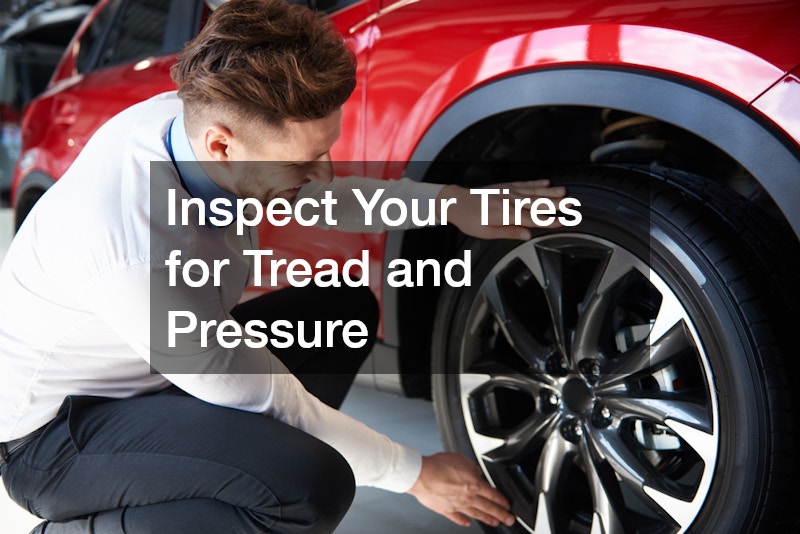
Your tires are the only part of the car actually touching the road, so their condition matters enormously on a long drive. Check tread depth using the penny test — insert a penny with Lincoln’s head upside down into the groove, and if you can see all of his head, it’s time for new tires — or use a tread gauge for a more precise reading of 2/32 inch or less. Look closely for uneven wear patterns, cupping, or bald spots that might signal a bigger problem.
Uneven wear across the tread is often a sign that a tire alignment is overdue, and driving hundreds of miles on misaligned tires accelerates wear and can pull your steering to one side, making long stretches of highway driving more tiring and less safe. Wear that’s concentrated on one edge of the tire is a particularly strong clue, and getting an alignment before your trip is far cheaper than replacing a prematurely worn set of tires.
Correct tire pressure, including the spare, also improves fuel economy and handling stability at highway speeds. Check pressure when tires are cold, ideally before you’ve driven more than a mile or two, since heat from driving can inflate the reading and mask an underfilled tire. Use the PSI number listed on the sticker inside your driver’s door jamb rather than the number printed on the tire itself, and don’t forget that temperature swings during a long trip can shift pressure by a pound or two for every 10-degree change.
- Check tread depth on all four tires plus the spare using the penny test or a tread gauge — replace tires at 2/32″ or less
- Look for cracking, bulges, or embedded debris in the sidewalls, which can signal a blowout risk at highway speeds
- Verify tire pressure (including the spare) matches the number on the driver door jamb sticker, not the max PSI printed on the tire itself
- Check pressure when tires are cold, since driving can raise the reading by several PSI
- Schedule a tire alignment if you notice pulling to one side, a crooked steering wheel, or uneven wear patterns
- Rotate tires if it has been more than 6,000 miles since the last rotation to promote even wear and extend tire life
Test Your Brakes Before You Leave
Brakes that feel fine on short neighborhood drives can behave very differently after hours of highway speed and mountain descents. Listen for grinding, squealing, or a soft pedal feel, all of which suggest it is time for brake repair before you commit to a long trip. Worn brake pads or low fluid levels are especially risky on unfamiliar roads with steep grades, where your brakes will work harder than usual. A quick inspection of pad thickness and brake fluid color can catch problems while they are still simple to fix.
- Listen for squealing, grinding, or vibration when braking
- Check that the brake pedal feels firm, not spongy
- Inspect brake fluid level and color in the reservoir
- Have a mechanic measure remaining pad thickness if it has been over a year
Confirm Your Windshield and Visibility Are Trip Ready

Clear visibility becomes even more important at highway speeds, where you need extra reaction time to spot hazards ahead. A crack as small as a few inches can spread across the entire windshield within a day or two once it’s exposed to temperature swings, highway vibration, and pothole impacts, so it’s worth arranging windshield replacement before departure if the damage sits in your direct line of sight or is longer than three inches. Chips near the edge of the glass are especially risky since they weaken the windshield’s structural integrity faster than those in the middle.
Beyond the glass itself, check your wiper blades for cracking, fraying, or streaking, since most blades only last six to twelve months before the rubber degrades. Run them dry for a second to check for skipping or chatter, then top off your washer fluid reservoir with a bug-and-tar formula rather than plain water, especially if you’ll be driving through farmland or desert stretches where insect splatter builds up fast.
Foggy or pitted glass at night can also strain your eyes over long stretches of driving, particularly when oncoming headlights scatter across countless tiny surface scratches. If you notice a persistent haze on the inside of the glass, wipe it down with a proper automotive glass cleaner rather than household products, which can leave streaks that worsen glare under headlights.
- Inspect the windshield for chips, cracks, or pitting — even small dings can spread quickly under highway vibration and temperature swings
- Replace wiper blades if they streak or skip; most blades need swapping every 6-12 months regardless of appearance
- Fill washer fluid with a bug-and-tar formula for long trips, and toss an extra jug in the trunk if you’re driving through rural or agricultural areas
- Check that headlights and taillights are clean and fully functional, including turn signals and brake lights
- Test your high beams and aim them if they seem crooked, especially before night driving on unlit rural roads
- Wipe down the inside of the windshield too — interior haze from off-gassing plastics can cause glare after dark
Check Fluid Levels Under the Hood
Long drives put extended stress on your engine, transmission, and cooling system, so fluid levels deserve a careful look before departure. Low oil or coolant can lead to overheating, which is one of the most common reasons vehicles end up needing a towing service on the side of the highway. Check your engine oil, coolant, transmission fluid, and power steering fluid while the engine is cool, and top off anything that reads low. If any fluid looks dark, gritty, or has a burnt smell, it is worth having it inspected before you leave rather than risking a breakdown in an unfamiliar area.
- Check engine oil level and color on the dipstick
- Inspect coolant level in the overflow reservoir
- Look at transmission and power steering fluid if accessible
- Note the mileage since your last oil change
Test the Battery and Charging System
A weak battery often shows no symptoms until the moment you turn the key and nothing happens, which is a frustrating way to start a long trip. Batteries typically last three to five years, so if yours is approaching that age, a quick load test at an auto parts store can tell you whether it will hold up. Corroded terminals or a slow crank when starting are early warning signs that should not be ignored before a long drive. Carrying jumper cables or a portable jump starter is smart insurance even if your battery tests fine.
- Check the battery’s age and last replacement date
- Look for corrosion on the terminals and clean if needed
- Get a load test done if the battery is more than three years old
- Pack a portable jump starter as a backup
Evaluate Interior Comfort Features for Long Stretches
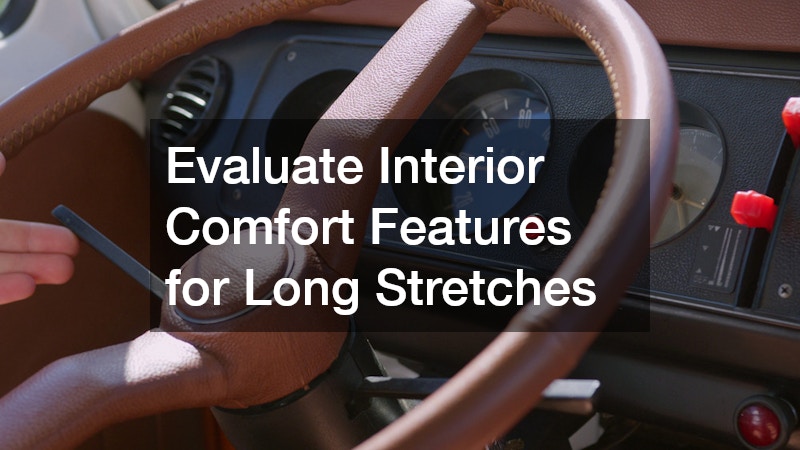
Long hours behind the wheel are far more tolerable when your cabin is comfortable, and small upgrades can make a real difference on a multi-hour drive. If your air conditioning struggles to keep up or your factory tint has faded, now is a good time to consider auto window tinting, which cuts glare and reduces cabin heat for passengers riding in the back seat. A working, glare-free windshield combined with tinted rear windows keeps everyone more comfortable and alert on sunny afternoon stretches of highway. Comfortable seating and working climate control are not just luxuries; they help you stay focused during long driving sessions.
- Test air conditioning and heating before a temperature-sensitive trip
- Consider auto window tinting to reduce glare and cabin heat
- Check that all power windows and locks function properly
- Bring sunshades for extra glare protection during midday driving
Plan for Roadside Emergencies and Breakdowns
Even a well-maintained vehicle can experience an unexpected problem on a long trip, so having a plan matters as much as having a healthy car. Know how you would get help if you broke down in an unfamiliar area, and save the number for your insurance company or a 24-hour emergency dispatch line before you leave. Research auto repair companies along your route, especially in larger towns near your planned stops, so you are not searching blindly if something goes wrong. A basic emergency kit with water, a flashlight, and reflective triangles rounds out your preparation.
- Save your insurance company’s emergency contact number in your phone
- Research auto repair companies located along your driving route
- Pack an emergency kit with water, snacks, flashlight, and triangles
- Note mile markers or exit numbers so you can describe your location clearly if help is needed
Prepare Entertainment and Navigation Systems
Long drives feel much shorter with reliable navigation and entertainment, so it is worth testing these systems before you leave rather than troubleshooting them on the road. If your factory stereo has dead speakers or outdated connectivity, a professional car stereo installer can add modern features like Bluetooth streaming or backup cameras that make the drive safer and more enjoyable. Download offline maps in case you lose signal in rural stretches, and make sure phone mounts and charging cables are working and within easy reach. Distraction-free navigation setup before you start driving is much safer than fumbling with a phone at highway speed.
- Test speakers, Bluetooth, and charging ports before departure
- Consider a car stereo installer for upgraded audio or hands-free calling
- Download offline maps for areas with weak cell coverage
- Mount your phone securely within easy line of sight
Give Your Vehicle a Final Cleaning and Inspection
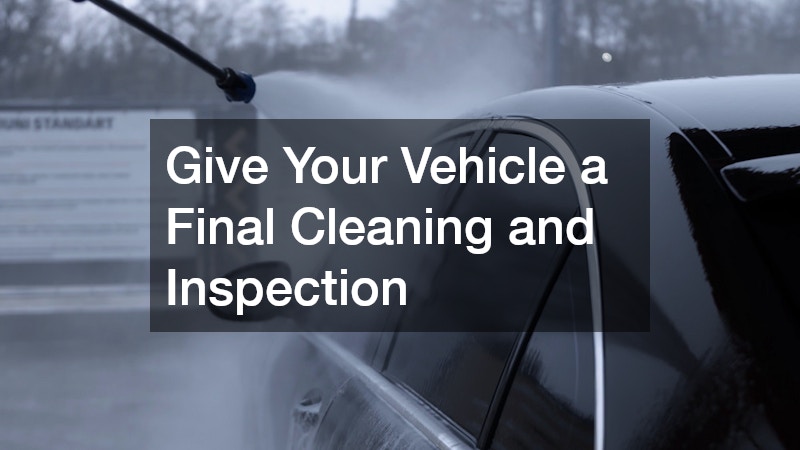
A clean car is not just about appearances; clear mirrors, windows, and headlights genuinely improve visibility and safety on a long drive. Running your vehicle through a hand car wash station before departure removes road grime and bugs that can obscure your view, and it gives you a chance to walk around the car and spot anything unusual, like a leaking fluid or a loose panel. Take a few minutes to check under the car for drips and glance at your tires and wheel wells for anything lodged in the tread. This final walkaround is a simple habit that catches small problems before they become expensive ones.
- Wash the exterior at a hand car wash station to improve visibility
- Wipe down mirrors, headlights, and taillights
- Check under the car for fresh fluid leaks
- Inspect wheel wells for debris or damage
Consider Whether an Older Vehicle Is Trip Ready
If your car has racked up significant mileage or has a history of repeated repairs, it is worth being honest about whether it is the right vehicle for a long trip. Sometimes the smarter financial decision is to explore getting cash for your car and putting that money toward a more dependable vehicle rather than risking an expensive breakdown far from home. This is especially true if your mechanic has flagged multiple aging components during a recent inspection. Weiging repair costs against the vehicle’s value can help you make a clear-headed decision before committing to hundreds of miles on the road.
- Review recent repair history for recurring or expensive issues
- Compare estimated repair costs to the car’s current market value
- Get a quote for cash for your car if replacement makes more financial sense
- Consult a trusted mechanic for an honest trip-readiness opinion
Protect Your Vehicle Before and After the Trip
Preparation does not end when you return home, since sun, rain, and temperature swings continue to affect your vehicle’s condition long after the trip is over. Homeowners without a garage might look into carport builders to add a simple covered structure that protects paint, tires, and interior surfaces from ongoing weather exposure. A covered parking space also makes it easier to load and unload luggage without dealing with direct sun or rain. Investing in protection at home extends the benefits of the maintenance work you did before hitting the road.
- Consider carport builders if you lack covered parking at home
- Store the car out of direct sun when possible to protect paint and interior
- Wipe down the exterior after long trips to remove road salt or grime
- Schedule a follow-up inspection after very long or demanding drives
Working through this checklist before a long drive takes a bit of time, but it is far less costly than dealing with a breakdown hundreds of miles from home. Start with the basics like tires, brakes, and fluids, then address comfort and technology features that make the miles pass more easily. If your inspection turns up serious concerns, do not hesitate to get a second opinion or weigh your options honestly before departure. A little preparation now means you can focus on the road ahead instead of worrying about what might go wrong.
About the Author