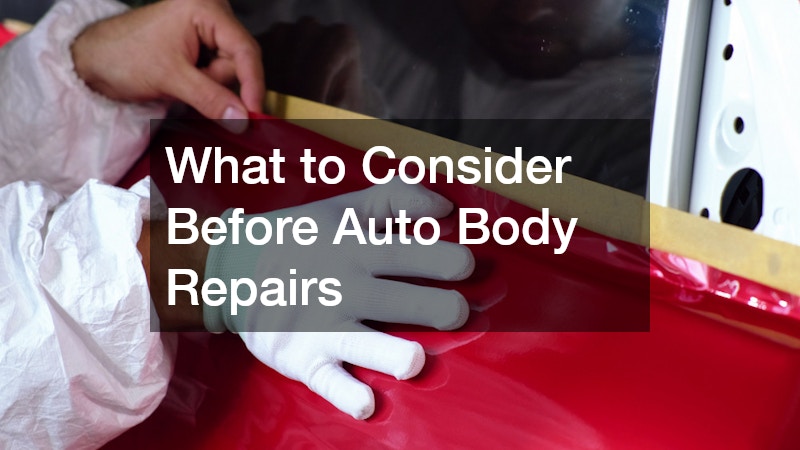
Before diving into auto body repairs, it’s crucial to assess the extent of the damage your vehicle has sustained. While some damages might appear minor at first glance, they could potentially affect the structural integrity of your car. Not all damages are visible to the untrained eye, so it’s essential to get a thorough inspection from a professional.
This initial assessment will help you understand what specific repairs are necessary and prevent potential future problems. Additionally, understanding the full scope of repairs needed will help you budget more accurately and avoid unexpected expenses.
When considering auto body repairs, take into account both cosmetic and structural damage. Cosmetic damages, such as scratches and dents, can affect the aesthetic appeal of your vehicle. However, structural damage, like that affecting the frame, can compromise the safety and performance of your car. By identifying both types of damage, you can prioritize repairs that ensure both your vehicle’s functionality and visual appeal. A comprehensive evaluation will help you make informed decisions regarding which repairs are urgent and which can be postponed.
Another aspect to consider is the potential impact on the vehicle’s resale value. Auto body repairs can significantly influence how much you can sell your car for in the future. A well-maintained exterior free of noticeable damage often attracts higher offers from potential buyers. Thus, it’s important to think about both immediate and long-term benefits when planning repair work. Ensuring that all necessary repairs are carried out can mitigate further damage and uphold the vehicle’s value over time.
Choosing the Right Repair Shop
Selecting the right repair shop is a critical step in the auto body repair process. The quality of repair work can vary significantly between different shops, so it’s vital to do your research before making a decision. Look for shops with good reviews and recommendations from previous clients. It’s also beneficial to visit a few repair shops to get multiple opinions and quotes. This allows you to compare prices and services, ensuring that you choose a shop that offers the best value for your needs.
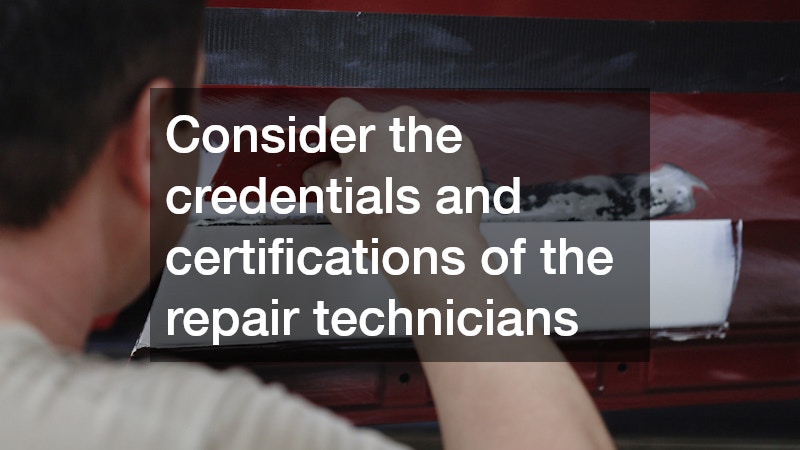
Consider the credentials and certifications of the repair technicians. Certified technicians often have specialized training and adhere to industry standards, which can guarantee a higher quality of work. Inquire about the specific types of repairs the shop specializes in and the kind of vehicles they typically service. This can give you confidence that the repair shop has the necessary skills and experience to handle your particular make and model. A reputable shop will also offer warranties on their work, providing additional peace of mind that any issues will be addressed.
Equally important is the repair shop’s customer service approach. A shop that values clear communication will keep you informed throughout the repair process. This transparency can help build trust and ensure you understand what repairs are being performed and why. If a repair shop is hesitant to answer your questions or provide detailed explanations, it may be a red flag. Choosing a shop that prioritizes customer service can lead to a more satisfactory repair experience and help reduce any stress related to the repair process.
Considering Cost and Insurance Coverage
One of the foremost considerations before commencing auto body repairs is understanding the costs involved. Repair expenses can vary widely based on the extent of damage and the parts required for repair. Before committing to a repair shop, obtain detailed cost estimates and inquire about potential additional costs. This approach can help prevent any surprises when it comes time to pay your bill. If you have car insurance, check what aspects of the repair are covered and how much you can expect to pay out-of-pocket.
Understanding your insurance coverage is crucial in addressing the financial aspects of auto body repairs. Review your insurance policy thoroughly to understand what is covered, especially regarding types of damage and the choice of repair shops. Some insurers may have preferred networks that offer reduced rates or may cover a portion of the expenses. Understanding these details will allow you to make the most of your coverage and potentially lower your repair costs. Additionally, discussions with your insurance provider can clarify any impact on your policy due to the claim.
Always weigh the costs against the value these repairs add to your vehicle, particularly if you’re considering future resale. Investing in quality repairs can enhance your vehicle’s longevity and reliability. However, it’s equally important to remain within budget and avoid unnecessary financial strain. Striking a balance between necessary repairs and financial prudence is key. Under some circumstances, minor cosmetic damage can be left unrepaired if it does not affect vehicle safety or functionality, saving costs for more pressing issues.
About the Author